Traveling Spain with Family, by Age and by Heat
12 min read
A family in Spain does better with a shorter menu of places and a longer lunch than with a highlight list written for two adults who like churches. Under eight, from eight to twelve, and teenagers are three different countries that happen to share the AVE. Grandparents add a fourth question, which is stairs. Spain 360, planned by 360 Travel S.L. in Zaragoza, would rather stop the day at the pool than drag a melting child through a fourth cloister. Private tours are usually the kinder shape, because the clock can bend. A small-group departure works when the children are already good travelers and the published dates match the school holiday. Either way, the pattern that survives contact with July is the same: one major site in the morning, lunch as the main meal, downtime in the heat, and a hotel you sleep in for several nights running.
Three ages, three Spains
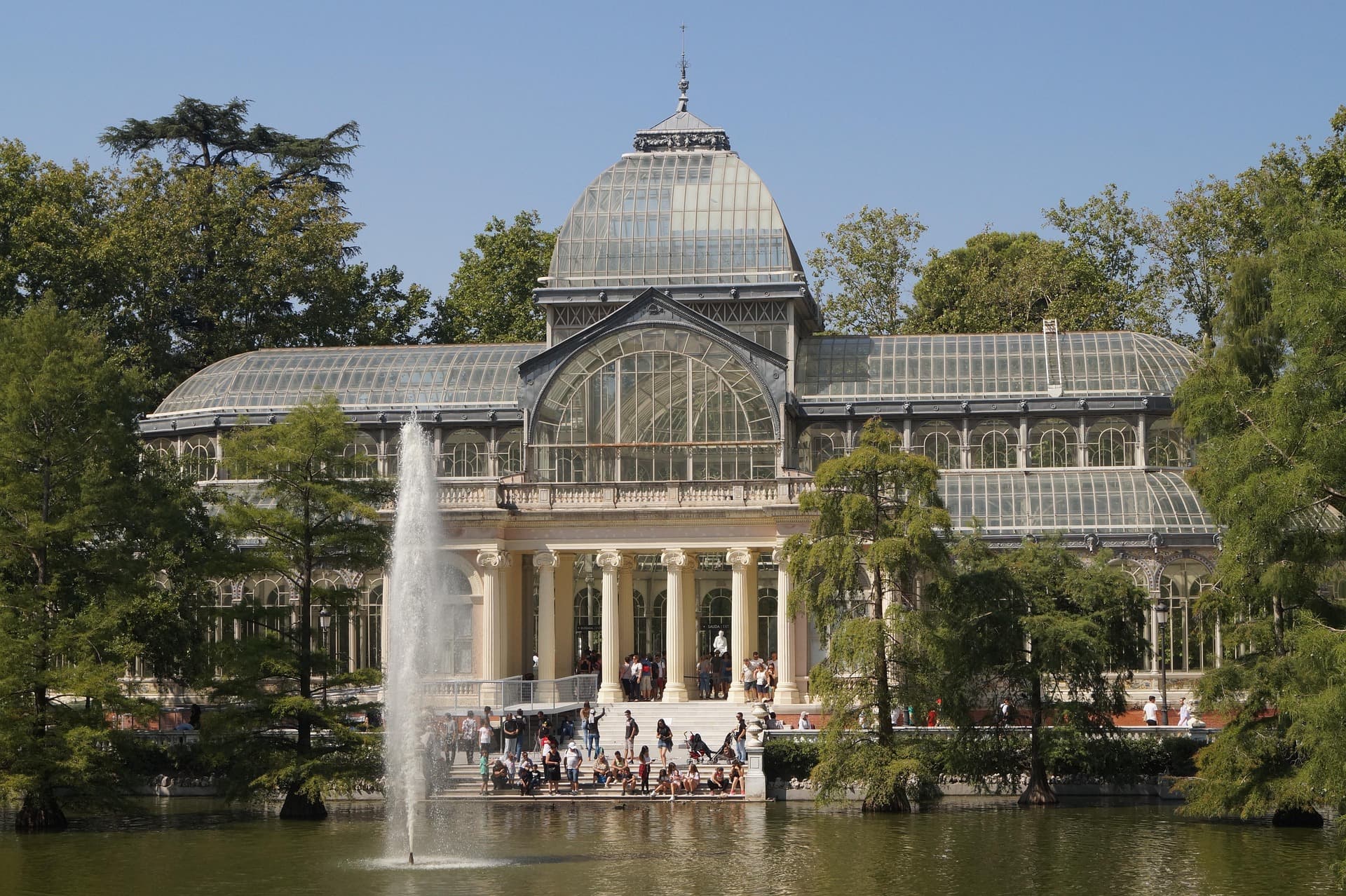
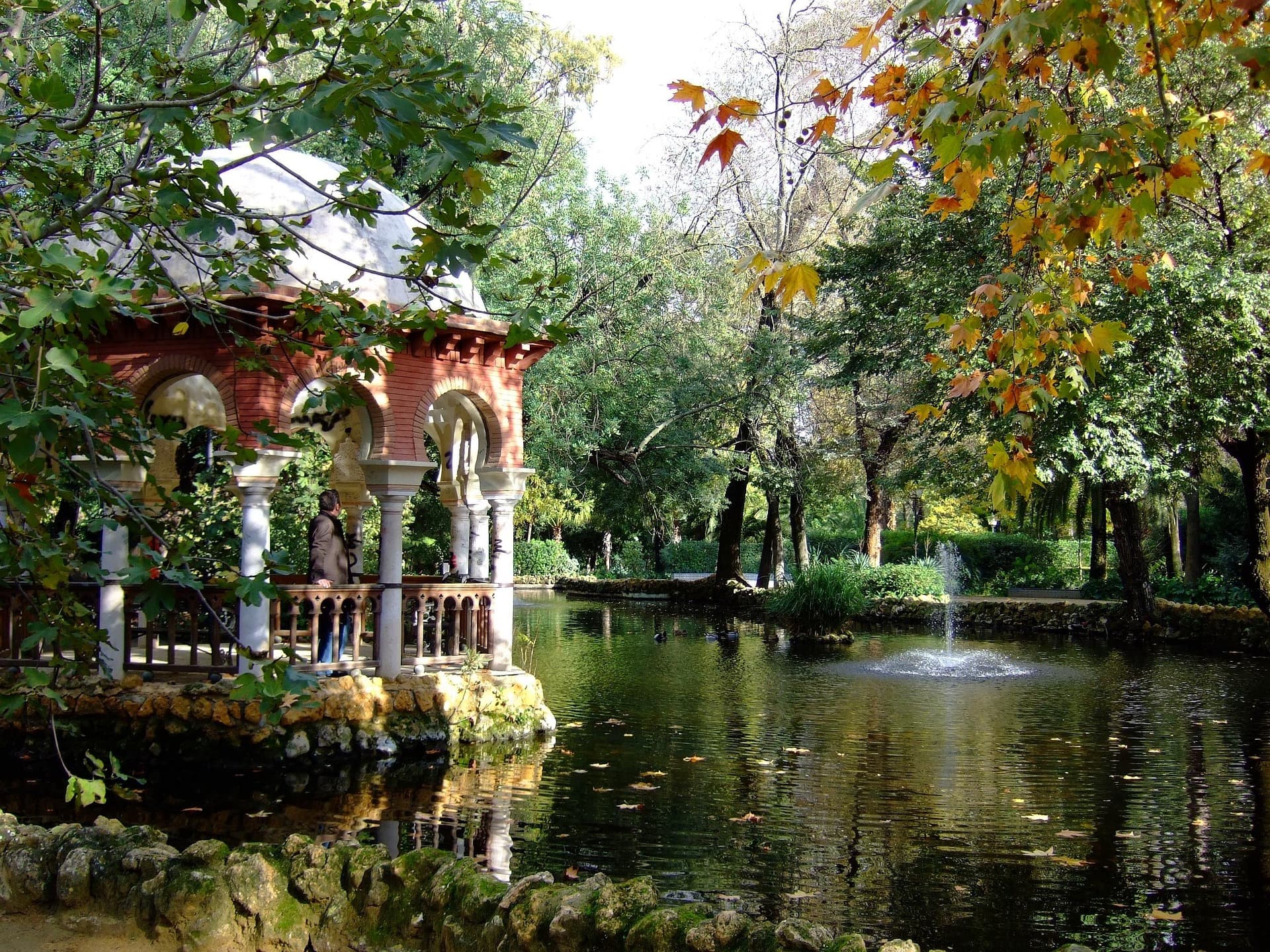
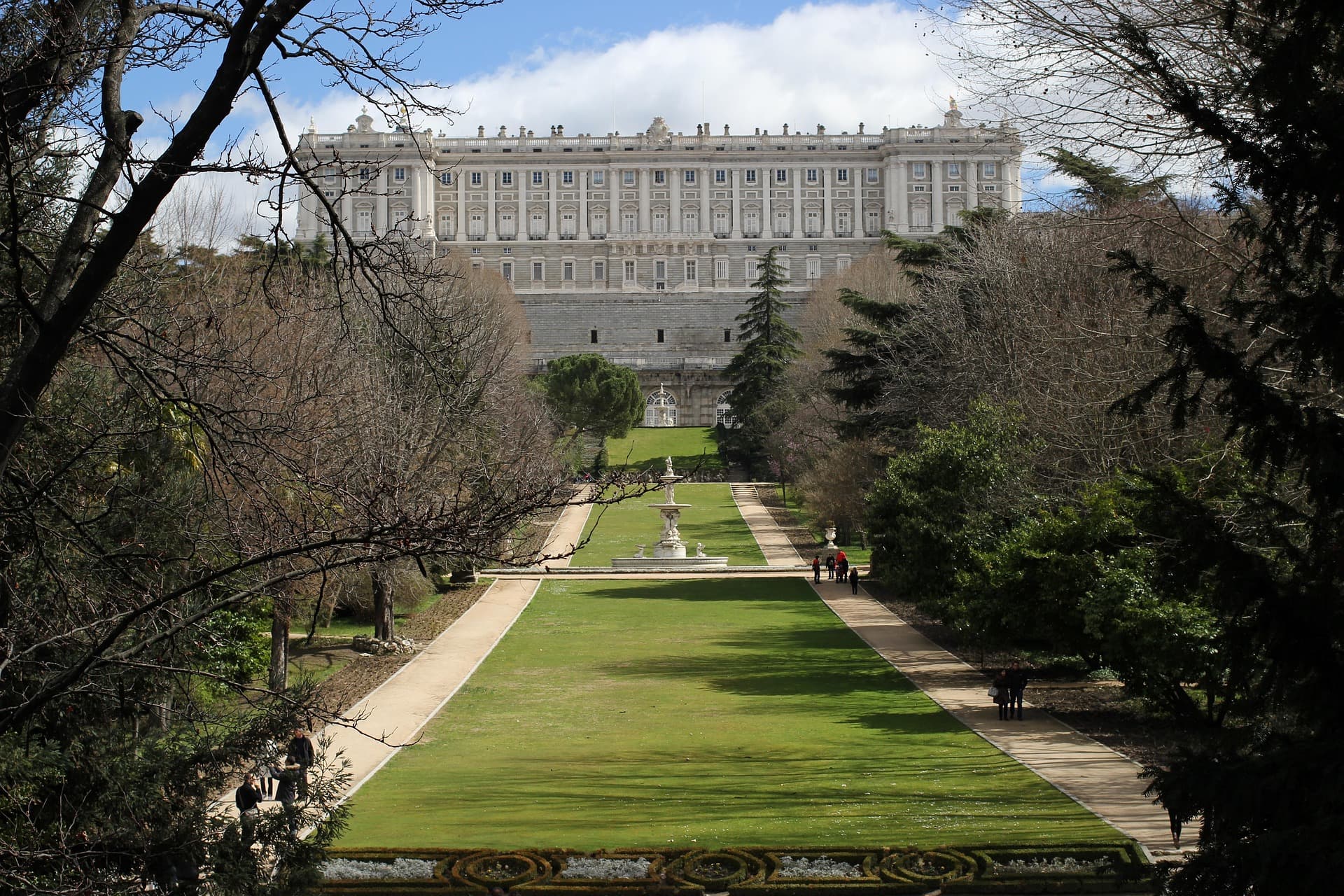
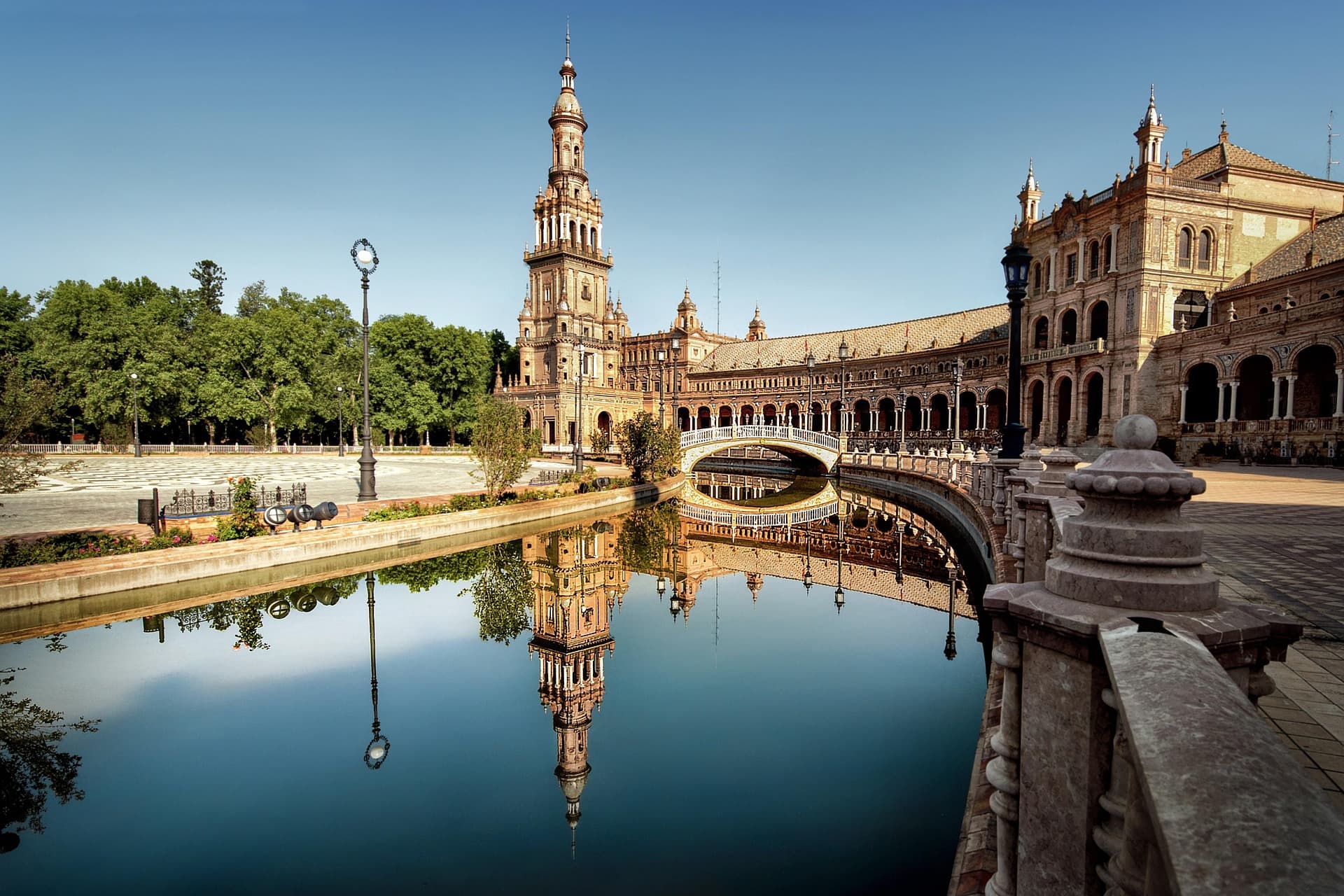
Under eight, the winning sites are wide, short, and near ice cream or a lawn. Seville’s Plaza de España and the Parque de María Luisa can be the whole morning: tiles to look at, a boat if they want one, room to run. Madrid’s Retiro does the same job, with the palace as a look from the plaza rather than a room-by-room tour. Valencia’s Turia gardens are a riverbed turned into a park long enough to rent a bike or simply walk until someone is done. A carrier beats a stroller the moment you add Toledo’s cobbles, the Albaicín, or Santiago’s stones. You can still show a small child the Alhambra if you hold a real Nasrid ticket and you leave when the palaces have done their work, not after you have also conquered the Generalife, the Albaicín, and a viewpoint in the same heat. One marvel. Then the hotel.
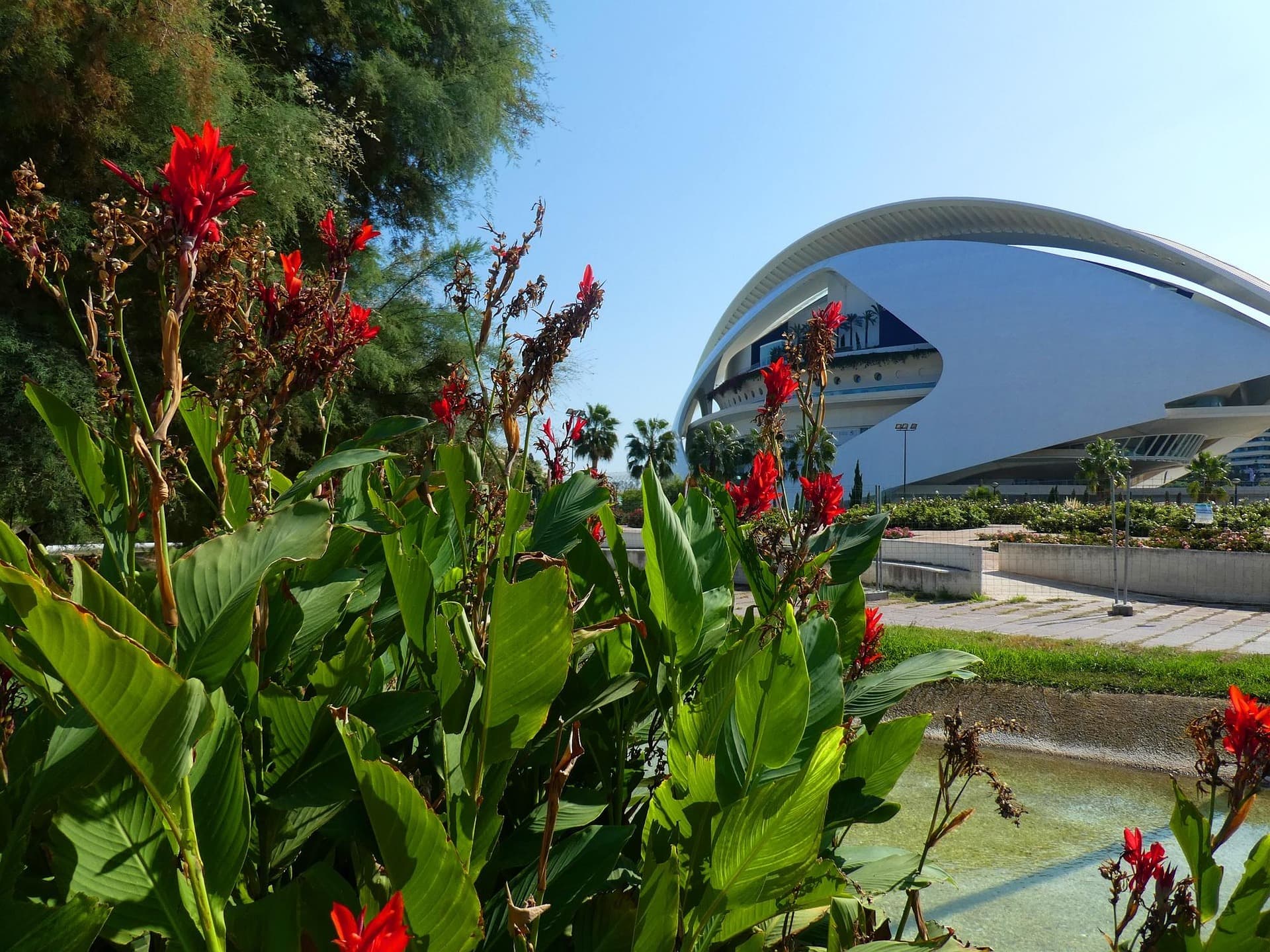
From eight to twelve they can take a proper monument if it is the only proper monument that day. A short Alhambra with the timed palace ticket is a real memory. The full Alhambra plus every terrace plus a hammam is how you teach them to dread the word ‘palace.’ Valencia’s Oceanogràfic is large enough to be the day by itself. Do not stack the rest of the City of Arts on top and call it efficient. In Madrid, one gallery wing chosen for something they can recognize, then the park, beats a heroic Prado that ends in tears under the Goya drawings. In Barcelona, one Gaudí building, Sagrada Família if you have the slot or Park Güell if the walk is the point, then the beach. Four churches in a day produce a child who announces, at the airport, that they hate Europe. They do not hate Europe. They hate the schedule.
Teenagers do better with one great monument and some unsupervised time in a plaza than with a narration of every façade. Give them a job: they hold the tickets, they pick lunch from a short list of real places, they get an hour in Seville’s center or along Valencia’s Turia without a speech. The Alhambra, the Alcázar, or the Sagrada can be the great one. A second great one the same afternoon is how you get silence and a phone. Evenings can run later than they can for a seven-year-old, but a 10:30 dinner every night still wrecks the next morning’s ticket. Let them sleep. A private guide who can hand them the afternoon is worth more, at this age, than a longer list of UNESCO sites. If they are good travelers and they want other teenagers around, a small-group date can work. If they need to leave a church when they are done, private is the format that allows it without a bus full of other people’s plans.
Private days, small groups, and the room with the extra bed
On a private trip the day can stop. Someone gets hurt feelings, someone gets a blister in Toledo, the August heat arrives earlier than the forecast. You go to the pool, the beach, or the apartment, and the Alcázar is tomorrow because we held the tickets for a morning you can still use. That flexibility is the reason families usually belong on a private plan. Small group is the other honest option: Southern Spain Express and the longer fixed-date routes, capped so the group stays small, with a published route. It works when the children can keep a common pace and when your holiday dates are the departure dates. It works badly when a toddler’s nap is nonnegotiable and the coach leaves at 8:30 regardless. Tell us which child you actually have, not the child you hope will appear after a good breakfast.
Connecting rooms and extra beds are a request we make early, not a surprise we spring on a hotel the week before. They are not guaranteed. A converted palace in Seville may offer two twins and a sofa, up a staircase, with no door between you and a grandparent. A modern Valencia hotel may have the connecting pair and a pool, and less charm in the stairwell. Say what you need on the first call: ages, who must be on the same floor, whether a sofa bed solves it, whether an elevator is mandatory. We ask. The hotel confirms, or it does not, and we change the building rather than promise a door that does not exist. If a grandparent cannot do stairs, that fact outranks the prettiest courtyard in Granada. We would rather a plainer hotel at the bottom of the Alhambra hill than a romantic one they cannot enter twice a day.
The kind day is the short one you finish still speaking to each other.
| Who is with you | Give the day this | Keep this off the day |
|---|---|---|
| Under 8 | Plaza de España and María Luisa, Retiro, Turia gardens, a short palace visit, gelato after | A full Prado, the Albaicín at 4 p.m. in August, a 9:30 dinner as the main meal |
| 8–12 | One real ticket: a short Alhambra, the Alcázar, or the Oceanogràfic as the whole day | Alhambra plus Albaicín plus a hammam, or every room of the Mezquita in June heat |
| Teens | One great monument and an hour in a plaza that is theirs | Four churches, a bull run, a schedule with no silence |
| Grandparents | Elevator hotels, a taxi to the viewpoint, palaces in the morning | Pride on Toledo’s downhill stone, or the full Generalife after a bad night |
Cobbles, car seats, and the train that avoids both
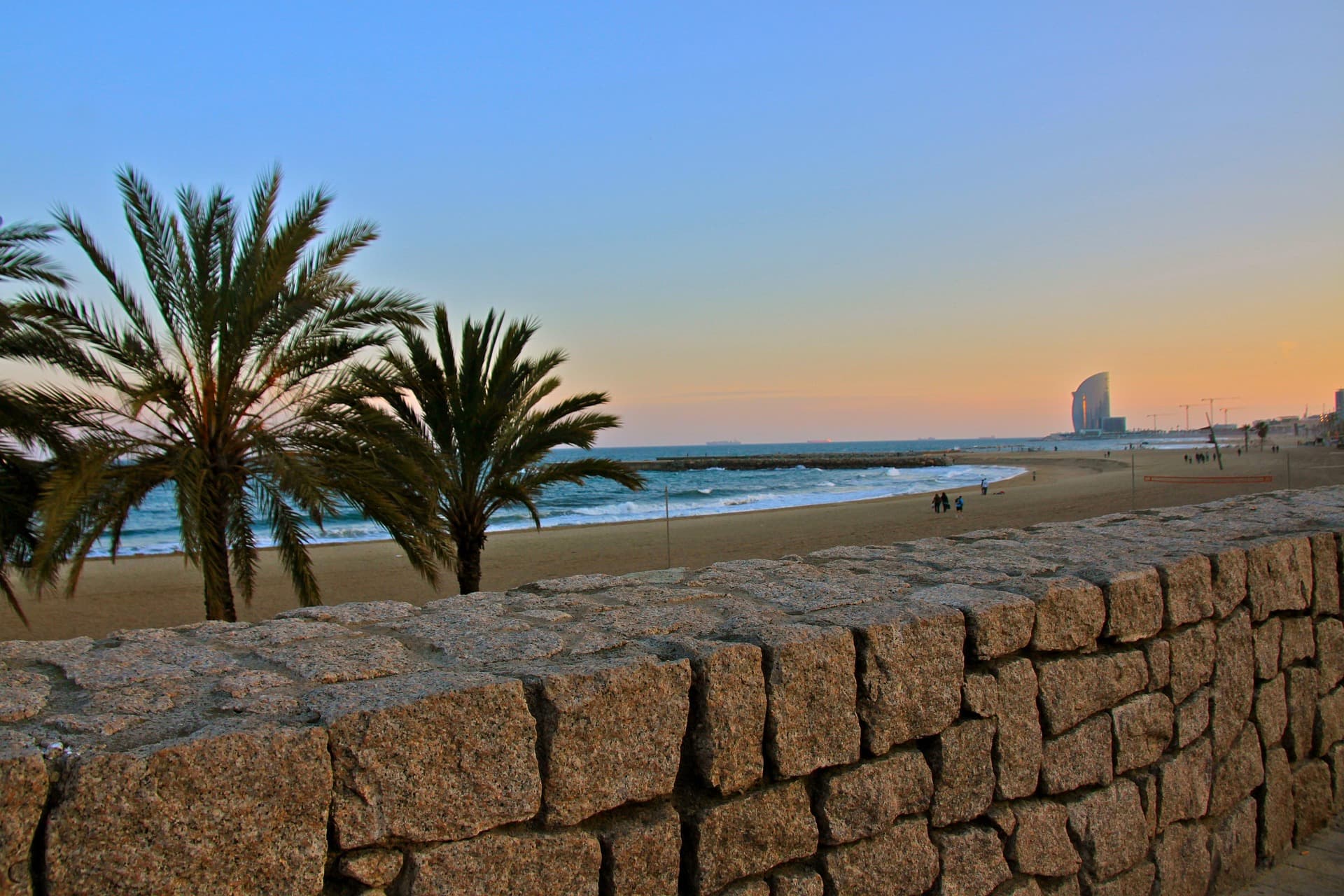
Strollers and Spanish old towns fight. Toledo, the Albaicín, Santiago, Córdoba’s Jewish quarter, Palma inside the avenues: the wheels catch, the child is hot, and you are the person walking back downhill to fetch whatever fell out. A carrier is kinder on those days. A light umbrella stroller is the right tool on the flat glory: María Luisa, the Retiro, the Turia, Barcelona’s beach promenade, the Málaga waterfront. Pack for the week you booked. A Mediterranean Coastline week can justify the stroller. A week that includes the Albaicín and Toledo should not. If the smallest child is still in arms, tell us and we will not center the day on a climb we would not want to do with a sleeping weight on our chest at noon.
Trains avoid the car-seat problem, which is why a family Madrid–Seville ride is often calmer than it looks. About two and a half hours, seats together if we book them that way, no one installing a restraint in an airport lot. Toledo and back from Atocha is about half an hour each way, so you keep the Madrid hotel and you do not pack the family for a one-night stand on the hill. If you do drive, reserve car seats with the rental in the right group for each child’s weight, and check them before you leave the lot. Spain expects a proper restraint. A taxi you hail on the street will not have one. A private transfer can, if we have ordered it. Do not discover the gap at Santa Justa with a four-year-old and a suitcase. On our family plans the long hop is a train or a vehicle that already has the seats, and the quote says which.
Lunch is the meal. Dinner is late. Heat is a rule.
Spanish dinner starts in earnest after 8:30 or 9, later in summer. A seven-year-old will not make it, and a twelve-year-old will make it once and then fail the Alhambra. Shift the calories to lunch. A menú del día, often in the teens of euros for an adult, is a first course, a second, bread, and a drink, at the hour the kitchen cares. Children can share raciones: tortilla, croquetas, pan con tomate, grilled fish or chicken, bread, a small plate of jamón for the ones who want it. Ask for a media ración if a full one is absurd. Do not build the day on a kids’ menu of beige food. Those menus exist in some tourist restaurants and they are not the interesting part of eating here. Gelato exists, and horchata in Valencia, and churros if you want them as a snack. They are not a strategy for a child who ate nothing at 2 p.m. and is now outside a restaurant at 9:30 that is still filling up.
From June through September in the south, the heat is the schedule. Palaces in the morning, at the ticket time we reserved. Downtime in the middle: a pool, María Luisa’s shade, the Turia, a beach on the Mediterranean route, a dark hotel room with a film. Hats, water, and a refusal to ‘just quickly’ do the Albaicín at 4. Teens will argue. The argument is still no. Granada sits higher than Seville and the evening can cool, which is why a mirador at dusk works better than a climb at midafternoon. A multi-generation group feels this first in the knees. The Alhambra is slopes and cobbles between the palaces and the Generalife. Toledo’s pavement is the other classic injury. A grandparent who wants the view can take a taxi to a gate or a mirador and skip the downhill stone. Pride is how people lose the next day. We would rather shorten the route than collect someone from a bench they cannot get up from.
A 10-day shape that does not change hotels every night
The family pattern we trust is three bases, not nine. Days 1 to 3, Madrid. Arrive and do almost nothing the first evening. One museum or the palace exterior the next morning, then the Retiro. Toledo by train on the third day, about half an hour from Atocha, and back to the same Madrid beds. You do not pack. Days 4 to 6, Seville. Plaza de España and María Luisa when you arrive, the Alcázar on a reserved morning, the cathedral only if the children still have legs, a river walk or Triana for ice cream rather than a late tablao if anyone is under eight. Days 7 to 9, Granada. The Alhambra on the morning you are rested, not the afternoon you rolled in from Seville. Pool or courtyard in the heat. The Albaicín only if the group can walk it; otherwise a taxi toward San Nicolás for the view and a short stroll. Day 10, out via Granada, Málaga, or a train north. That is ten days and three hotels. Everyone knows where the bathroom is.
A coast version, when inland August is the wrong bet, uses the same rule on different beds. Four nights in Valencia: Turia, Oceanogràfic as its own day, the beach, one evening in the Carmen that ends early. Then four or five nights in a single coastal base, not a new cove hotel every sundown, between Altea, Cabo de Gata country, or Málaga’s center if you want a city at the end. Mediterranean Coastline Explorer is the private ten-day version of that instinct, and with children we slow it. We do not add Seville ‘since we are in the south’ if the drive eats the beach day that justified the trip. We also do not add a festival night on top of this shape unless you asked for Fallas or Three Kings and we rebuilt the evenings around it. A school holiday that lands on Semana Santa needs that conversation before the flights, not after the procession blocks the street your hotel is on.
- One major site in the morning. Lunch as the main meal. Pool, park, or beach after.
- Three hotels across ten days beats a new lobby every breakfast.
- Toledo as a train day from Madrid, not as a one-night pack.
- Alhambra with a real Nasrid ticket, on a rested morning, and then stop.
- Carriers in the Albaicín, Toledo, and Santiago. Strollers in the parks and on the beach promenades.
- Teens get one great monument and a plaza. Toddlers get the park.
"Lunch at two is the family meal in Spain. A 9:30 dinner is how a good restaurant becomes a meltdown."— Spain 360 on traveling with children
Tell us the ages, the school window, and the one place the children already care about. We will build a private week that stops, or we will point you at a small-group date if they are sturdy travelers and the calendar matches. We will ask for the rooms early and we will not promise a connecting door the hotel has not confirmed. We will keep the Alhambra, the Alcázar, or the beach, and we will delete the fourth monument. The trip they remember is the one where they were not rushed off the Plaza de España to make a gate.
Plan Your Spain Trip
Talk with our Spain-based team about small-group departures, private itineraries, and straightforward travel from the US—we handle the details.
Contact UsRecommended Journey
Mediterranean Coastline Explorer
Ten private days from Valencia along the Costa Blanca toward Cabo de Gata, Almería, and Málaga. The day can stop for a beach or a pool when the children are finished, which is the point of doing it privately.
View the itineraryExpert's Tip
Ask for connecting rooms or an extra bed on the first call. A Seville palace hotel may have neither, and a staircase instead of the lift the photos implied.
Get the Soul of Spain in Your Inbox
Join our curated list for exclusive travel stories, hidden jazz venues, and expert guides delivered once a month.