Santiago de Compostela Without Walking the Camino
12 min read
You do not need to walk five hundred miles to care about Santiago de Compostela. The cathedral, the Obradoiro square, and the stone lanes are a city, not a finisher's medal. Pilgrims arrive in the afternoon in summer, often wet, often elated, and the square belongs to them in a way you should respect. You can still sleep two nights in the old town, see the building properly, eat pulpo a feira at lunch, and drive to Finisterre on a different day. Spain 360 — 360 Travel S.L., in Zaragoza — builds Santiago as the Galician end of a north-Spain trip, or as a short trip that flies into SCQ and stays put. It is a bad one-night add-on after Seville. Flights are not included. The hotel is three to five stars, confirmed closer to travel, and it should be in the historic center.
The square and the facade you came for
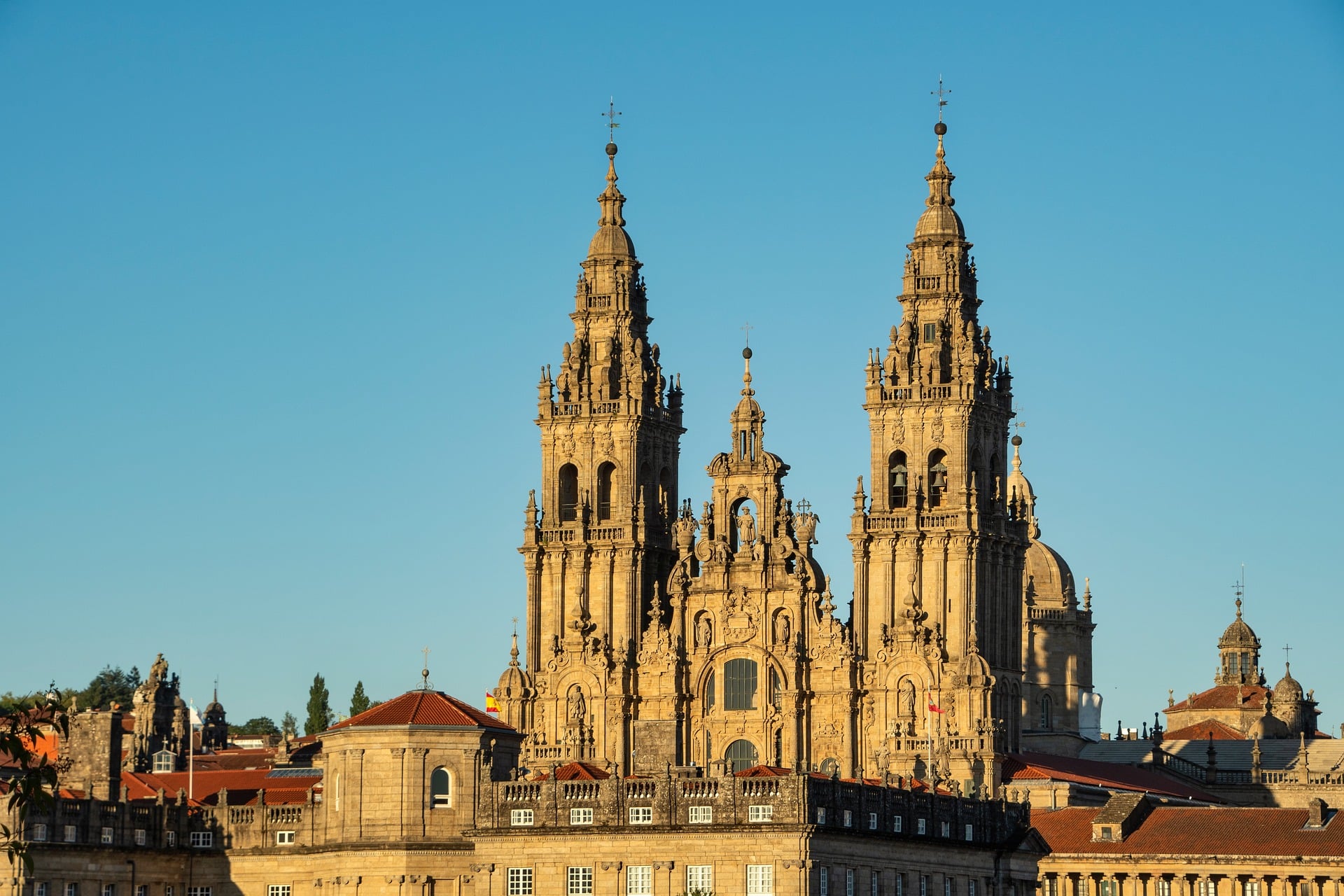
Praza do Obradoiro is the room the city is organized around. The west facade of the cathedral, the Obradoiro, is the baroque front you see in every photograph. On the other sides of the square: the Hostal dos Reis Católicos, founded as a pilgrim hospital and now a parador; the Palacio de Raxoi; the old college of San Xerome. Stand in the middle before you do anything efficient. The ground is sloped, the stone is dark when it has rained, and a rainy afternoon is the normal afternoon in Santiago. The arcades on Rúa do Vilar exist because the weather is not a surprise. Do not cancel the old town because your jacket is wet. Do cancel a sunset plan at Finisterre and go in the morning instead.
The old town behind the square is a walk of a few streets, not a hike. Rúa do Vilar, Rúa Nova, and Acibechería will carry you past shopfronts, a pastry window with a tarta de Santiago, and enough granite to make the point. Go out again at night, after dinner, when the day-trip groups have gone and the people still in the square are pilgrims and locals. Two nights gives you that second evening. One night gives you a suitcase and a clock. We would rather you saw less of Galicia and slept here than saw a lighthouse from a car you have to return before dinner.
The cathedral, booked the right way
Walking into the nave is allowed in the way a working church allows it, and it is not the same as seeing the building. The Pórtico de la Gloria, Master Mateo's Romanesque porch, sits behind that baroque facade and has been protected for good reason. Access is limited. If you want the portico, the museum, and the roofs in any serious way, book the official cathedral visit for the day you are there. Do not assume a noon wander gets you waved through. Do not buy a third-party 'skip the line' story that cannot name which door it opens. The cathedral's own ticket is the one that matches the rules that week.
The pilgrim mass, around midday, is a service. Attend it if you want to be in a congregation. Be quiet, put the phone away, and do not treat the door as a finish-line arch. The botafumeiro, the giant censer, does not swing at every mass and does not swing just because a group hoped it would. It is used on certain feasts and on dates the cathedral publishes. Check that week's liturgy. If it is scheduled, go. If it is not, the building is still why you came, and anyone who promised you the swing every day was selling a show the church is not putting on. The line to embrace the statue of St James behind the high altar is a pilgrim act. Join it if you mean it. Do not use a flash in the face of someone who has walked from Navarra.
A Holy Year, and an ordinary Tuesday
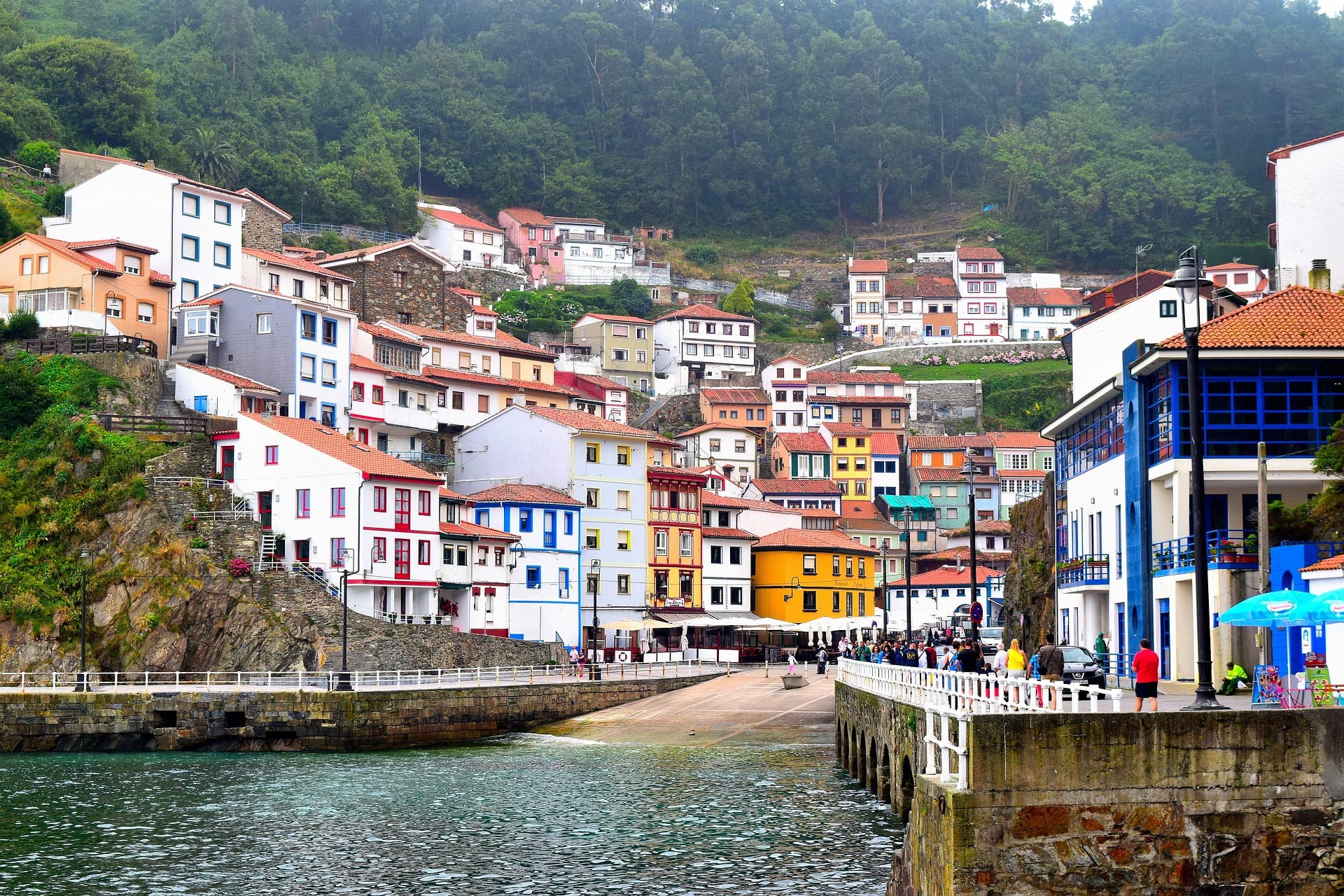
When 25 July, the feast of St James, falls on a Sunday, the year is a Jacobean Holy Year and the Puerta Santa on the Quintana side of the cathedral is opened. The next one is 2027. The square will be fuller, rooms in the old town will go earlier, and the city will be doing the thing it exists to do. If that is the week you want, say so and book. In an ordinary year the holy door is shut and the visit is not a lesser visit. The Obradoiro does not shrink. What changes is the crowd and the hotel list. Either year, late July is the feast and the days around it feel like a feast. A wet Tuesday in May is the version where you can hear your own steps on Rúa Nova.
Praza da Quintana, behind the cathedral, is the stone terrace and the staircase that people miss if they only stand on the Obradoiro. Walk through. The Quintana of the Dead and the Quintana of the Living are the two levels, and you do not need the names to feel the difference. The market side of the old town, and the lanes toward the faculty buildings, are where Santiago is a university city rather than a backdrop. Students are part of the sound at night. A trip that only circulates from the parador door to a restaurant and back will miss that, and it is a five-minute walk.
Where to sleep, and where not to
Sleep in the historic center. The streets within a short walk of the Obradoiro are the ones that make a rainy evening a pleasure instead of a taxi problem. Bells will be part of the stay. If that will make someone miserable, ask for a street back from the facade, still in the old town, not a business hotel by the station and not a ring-road box. The pilgrim hostels are for people with a credential and a bunk. A Spain 360 night is a three- to five-star room we confirm when the date is close. The outskirts can be correct for a conference. They are the wrong answer when the point is to walk back from dinner past the cathedral.
Two nights is the minimum. Night one: you arrive, you put the bag down, you walk the square before you are hungry, you eat. Night two: the cathedral is done properly in the morning, and the afternoon can be rain, a pastry, a second loop of the lanes, or nothing. Three nights is the right number if Finisterre or Muxía is included, because the coastal day should not be the same day as the portico. Flying into Santiago-Lavacolla, SCQ, makes sense when the trip is the north and the city is a base. The airport is a short transfer. It does not make sense as a one-night stitch after Seville. There is no fast train that turns the south into a casual hop. Madrid to Santiago by rail is a long Renfe day — check the current time, and treat the ride as the day's work, not as a morning.
- Two nights in the old town before you add any coast.
- The official cathedral visit if you want more than the nave.
- Pulpo a feira at lunch, on a wooden plate, not as a midnight experiment.
- Finisterre and Muxía as one coastal day, with lunch in one of the towns.
- Albariño and the Rías Baixas on a different day, south toward Cambados, if you have the night to spare.
What to eat, and what is a splurge
Pulpo a feira is the dish to organize a lunch around: octopus, paprika, olive oil, coarse salt, often on a round wooden plate, with cachelos, the potatoes, beside it. Eat it at a pulpería at lunch, roughly 2 to 4, when the room is doing the thing it exists to do. Empanada gallega is a thick savory pie — tuna, or meat, or peppers and onion — sold by the slice and useful when you want something in your hand on a wet street. It is not a whole dinner unless you are genuinely happy with that. Tarta de Santiago is an almond cake dusted with the cross of the Order. Buy a slice at a pastry shop. Do not build the evening out of three desserts and then wonder why you are hungry at ten.
Percebes, the goose barnacles, are a splurge and a seasonal one. They are scraped off rocks on the Costa da Morte by people who take a real risk to do it, and the price follows the tide and the week. Ask what they cost before you sit down, and confirm it that day. They are not a casual tapa you add to a round of croquettes because a list said 'try seafood.' Padrón peppers, from Padrón just south of the city, are the casual plate: some of them are hot, most are not, and the fun is the not knowing. Caldo gallego, the green broth of greens and beans, is the rainy-day starter. Tetilla is the soft cow's cheese. None of this requires a tasting menu. A serious table one night is plenty. The other night can be octopus and a walk.
Two nights cover the city. The coast is a third. The wine country is a fourth. They are different directions.
| Day | Do this | Leave this for later |
|---|---|---|
| Arrival | Old town, Obradoiro, a simple dinner after 8:30 or 9 | Finisterre, a winery, A Coruña |
| Cathedral morning | Official visit, portico if booked, quiet mass if you wish | A sunset drive west the same afternoon |
| Coast day | Fisterra lighthouse and, if the day is long, Muxía | A Rías Baixas winery stacked on the way back |
| If you have a fourth day | Cambados and albariño country, south | A second cathedral tour out of guilt |
| Departure | SCQ if the trip is the north | A same-day Seville connection treated as easy |
Finisterre and Muxía, without a winery on top
Cape Finisterre — Fisterra — is the coast day. You drive west through the Costa da Morte, you walk out to the lighthouse and the last rocks, and you eat lunch in the village rather than at the snack window by the car park. Muxía and the sanctuary of A Virxe da Barca fit the same day if you start early and you are honest about the driving. Together they are the day. They are not a prelude to a winery, and they are not a short add after the Pórtico. People who try to do the cathedral, the cape, and a vineyard before dinner are the people who see all three from a car.
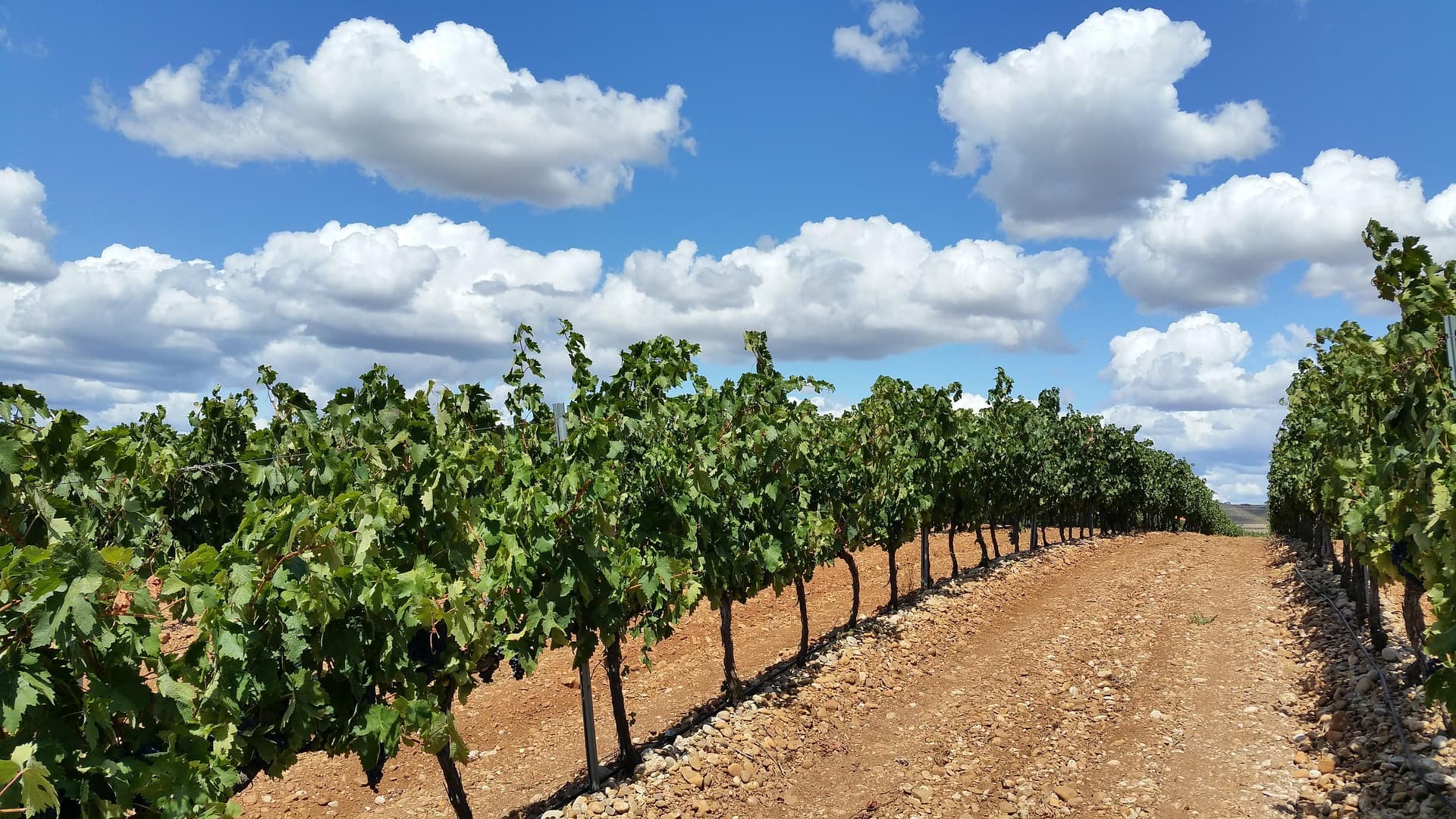
Albariño country is the other direction. The Rías Baixas run south, toward Cambados and O Grove, and a winery visit there is a day with a driver, because tasting and the coastal road do not share a driver. Do not schedule it on the Finisterre date. The roads leave Santiago in different directions, and the lunch you want in Cambados is a seafood lunch with a glass, not a sandwich in a lay-by because you are late for a lighthouse. If you only have three nights, choose the cape or the wine. The cape is the one that matches a first visit. The wine is the one to add when the city is already understood.
"A rainy afternoon in Santiago is not a ruined day. It is the day the arcades on Rúa do Vilar were built for."— Spain 360, on Galicia
A Coruña is a different city
A Coruña sits about an hour north, a harbor city with glass galleries stacked on the avenues along the Marina. It has its own night, its own beach at Riazor, and its own reason to exist. It is not Santiago's beach neighborhood, and it is not a quick swim between the cathedral and the airport unless you are honest that the swim will replace something else. Use it if you want an urban afternoon on the way to a flight, or if someone in the group is done with granite lanes and wants a seafront. Do not collect it on the Finisterre day. The Costa da Morte and the glass galleries are a lot of road for one lunch.
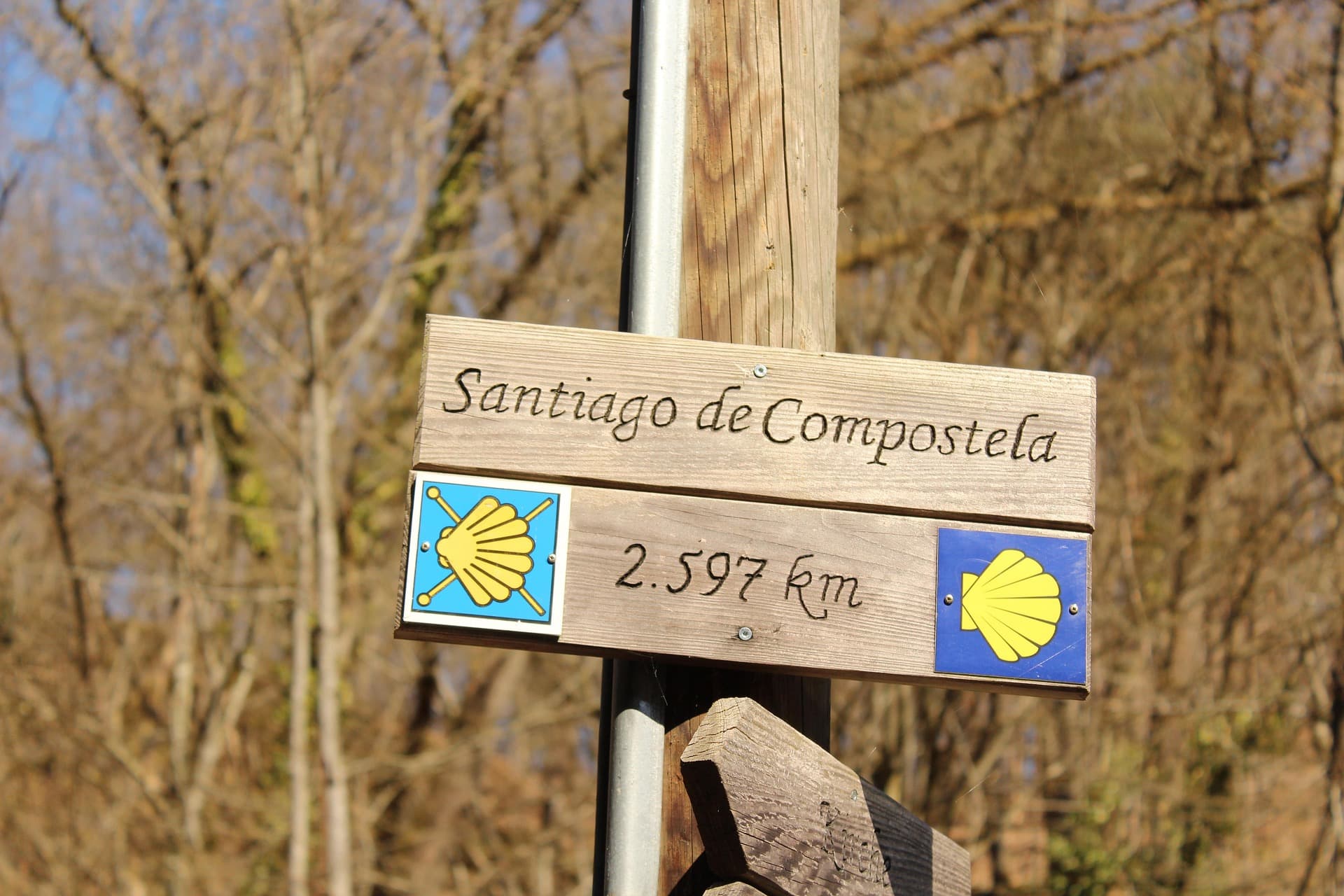
Pilgrim culture is the context, not a show. In summer the French Way delivers walkers from O Pedrouzo through the afternoon, and the square fills with people who have a right to lie down on the stone. Be kind. Step around a group that has just arrived. The north door and the Obradoiro both see arrivals depending on the route; do not plant yourself in the middle of the last hundred meters for a photograph of strangers crying. If you want a taste of arriving on foot without the five-hundred-mile walk, a short last stage can be arranged: a taxi out and a few kilometers back in on the French Way, with decent shoes and a whole morning. It is a pleasant arrival. It is not the Camino, and it should not be squeezed in before a timed cathedral ticket. Monte do Gozo, on that approach, is a hill and a monument above the city, often busy, not a wilderness.
How many nights, and how not to bolt it on
Two nights, three with the coast. That is the rule we actually use. A private north trip starts at two guests and can fold Santiago into a longer drive from the Picos, which is the ten-day shape: Basque coast, mountains, Asturias, then Galicia with room to breathe. A small-group departure, when we run one, caps at twelve. Either way, the cathedral morning is a morning, and the cape is a day. Trying to land from Seville at noon, 'do Santiago,' and fly on at dawn is how the Obradoiro becomes a facade you saw from a taxi. If the south is the trip, stay in the south. If Santiago is the trip, fly into SCQ or accept the long train from Madrid as its own day.
You book the flights. We put you in the old town, not on the ring road, and we do not promise a swinging censer we cannot put on the calendar. Dinner is after 8:30 or 9, which is easy here if you have a key and a short walk, and hard if you are trying to make an evening train you should not have booked. Bring the rain jacket you were going to leave in Madrid. The city is better in the wet than the brochures suggest, and worse as a trophy stop than people hope.
Sleep within walking distance of the Obradoiro, book the cathedral visit that matches what you want to see, and give Finisterre its own day. You can love this city without a scallop shell and a blister. The pilgrims will be there anyway. Leave them the middle of the square.
Plan Your Spain Trip
Talk with our Spain-based team about small-group departures, private itineraries, and straightforward travel from the US—we handle the details.
Contact UsRecommended Journey
Northern Spain Scenic Drives & Picos
Ten private days from the Basque coast through the Picos and Asturias into Santiago and out to Cape Finisterre, with the city given real nights.
View the itineraryExpert's Tip
Book the official cathedral visit if you want the Pórtico de la Gloria seen properly. Do not promise the botafumeiro. It does not swing at every mass.
Get the Soul of Spain in Your Inbox
Join our curated list for exclusive travel stories, hidden jazz venues, and expert guides delivered once a month.